What am I giving my child to remember?
My mother died of cancer about 26 years ago.
I don’t remember exactly how old she was. I think she was 51 or 52.
There are days when I realise I can no longer clearly remember her face. Sometimes I struggle to hear her voice. That unsettles me. How is it possible to love someone and yet slowly lose the details of what they looked and sounded like?
But some things I do remember. There was an intentionality about her.
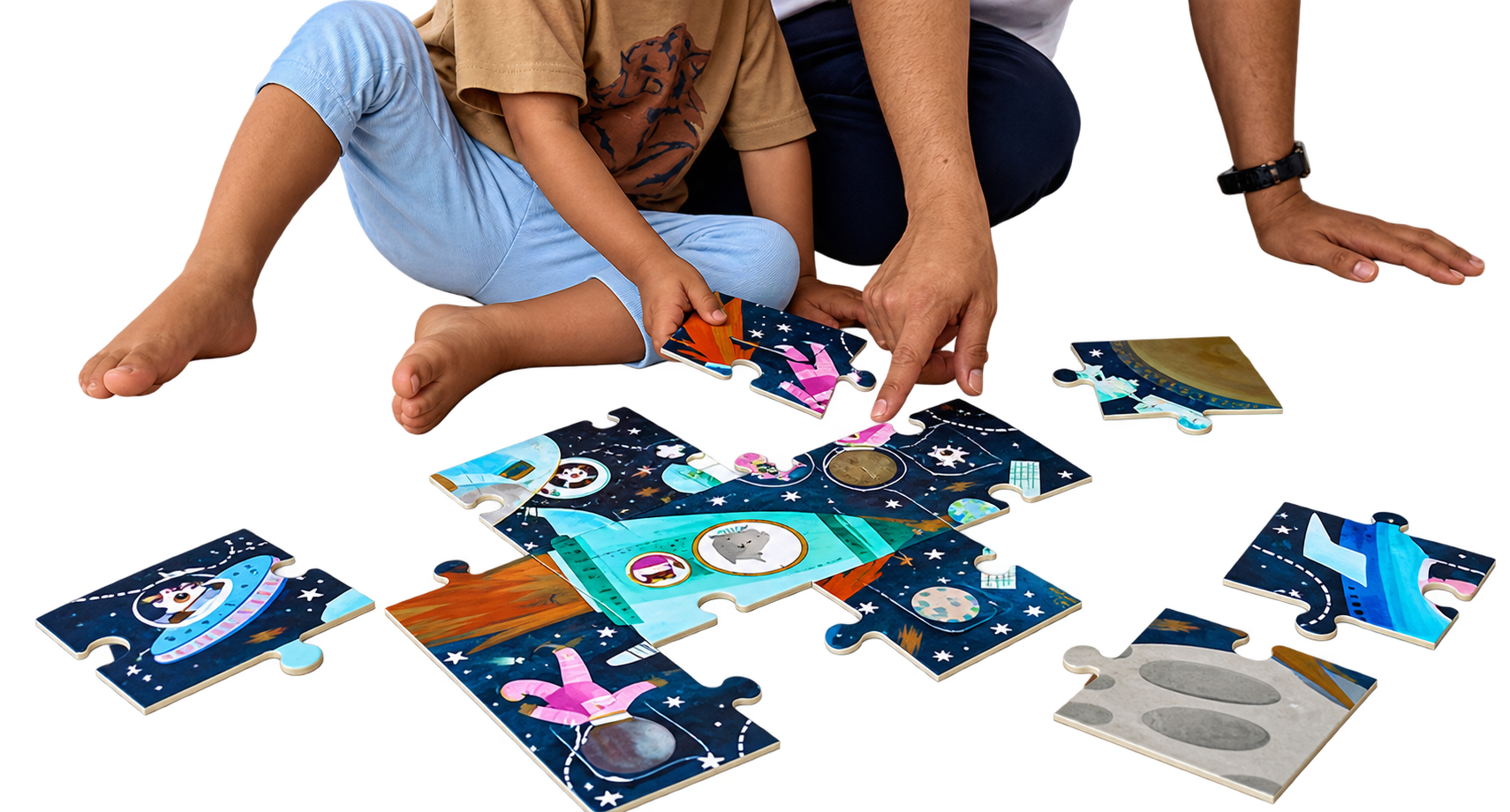
I can’t fully explain what I mean by that. When she was with me, she was with me: down on the floor beside me, building a puzzle.
I’ve lost her face and her voice. What I kept was how it felt to have her fully with me. I miss it.
And I especially miss the fact that my daughters never got to experience it. My mother never knew her granddaughters.
What I Remember About My Parents
My father died about two years ago, at around 82. Age and a string of health complications had taken their toll. In my daughters’ younger years, he had a good relationship with them. But as he grew older and more frail, that became harder, especially when my daughters kept asking, “Where is Pa?”
When I think about my own childhood, I realise my father was very much a man of his generation.
He provided.
He worked.
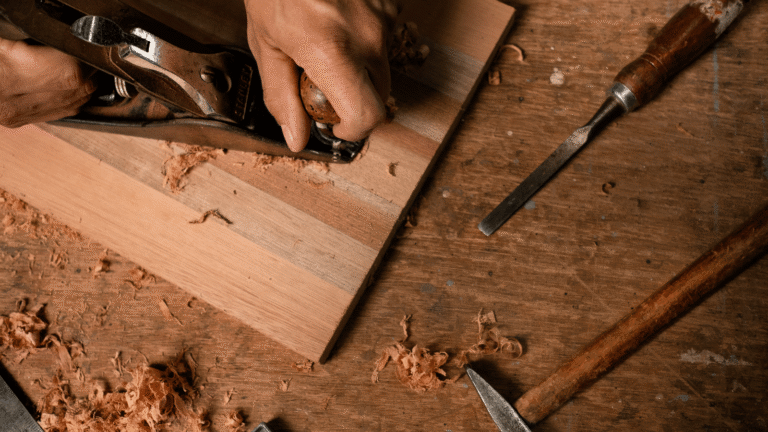
By the time I woke for school, he was already at work. By the time he came home, we were often asleep. There was no extravagance, no excess. There was bread on the table and a roof over our heads.
He did what he understood a father was supposed to do. And I am grateful for that.
What Provision Couldn’t Give Me
But there was something I wanted as a boy that provision couldn’t give me.
I wanted him to ask me something, and to stay for the answer.
I wanted my dad.
I used to tell my wife that after about five minutes on the phone with my father, I wouldn’t know what else to say. It wasn’t that there was nothing to say. We had simply never developed the kind of father-son relationship where conversation came naturally.
Becoming a father myself forced me to confront that. I began asking myself what I had longed for most as a child that I could give my own daughters.
What I Want to Give My Daughters
Of course I want to provide for them. I want them to have opportunities I didn’t have, and a secure future. Those things matter.
But I’ve come to see that what I wanted most couldn’t be bought.
I wanted presence.
So when one of my daughters calls,
“Papa?”
I try to answer,
“Yes. I’m here.”
And then I go to her.
It sounds insignificant. Some days I’m tired, or busy, or frustrated. Some days I’m convinced there’s something else I should be doing, like working on the book I want to publish, or taking the nap I so desperately need.
But I am learning that the moment matters.
The 25 Minutes I Remember
Because I have one memory of my father that remains vivid.
We were living in Cape Town, and one day my dad went into the ocean with us. He played in the waves. He frolicked. I remember his laughter, the salty spray, and the breeze turning the wet on my skin cold.
For perhaps 25 minutes (it may have been 30), my father wasn’t only the man who went to work and brought bread home. He was my dad. We were having fun together.
I remember the ocean. I remember him. I can even remember the bathing costume he was wearing.
I have lost my mother’s face, and yet I can still see my father’s bathing costume. Memory is strange that way. But look at what it kept. I don’t remember the bread. I don’t remember the roof. I remember the 25 minutes.
That is not to diminish what my father provided. It mattered enormously. But our children experience our provision differently from how they experience our presence. They benefit from what we buy. They remember the moments we give them.
Some of us work long hours precisely because we love them. This isn’t about choosing between provision and presence. It’s about making room for both.
There Is a Time for This
Jesus says in John 9:4, “We must work the works of him who sent me while it is day; night is coming, when no one can work” (ESV). He was speaking about his mission and the work of God, and I don’t want to turn the verse into something it wasn’t meant to be. But there is a principle in it I cannot ignore: there is a time in which the work can be done.
And then there isn’t.
There will always be another email to answer, another late night at work, another thing that seems so important today. There won’t necessarily be another chance for this moment.
One day, your child will stop calling you to come and see something. One day, they won’t ask you to sit beside them. One day, “Papa, are you coming?” will become “Dad, I’ll see you later.”
And we may discover that what mattered wasn’t that we managed to provide everything. What mattered was that when they called, we said,
“Yes. I’m here.”
What Am I Giving My Child to Remember?
My mother has been gone 26 years. My father, about two. I know what it is for a person’s voice, face and presence to become memory, and that is why I think about this differently now.
I don’t know how many years I have left with my daughters. Neither do you.
One day my daughters may struggle to remember my face, or the sound of my voice. I hope that what they can still hear is this: “Yes. I’m here.”
So the question isn’t only What am I providing for my child?
It’s also this: What am I giving my child to remember?
Not every day needs to be extraordinary. It doesn’t have to cost money or be a grand adventure. It might be 25 minutes in the ocean. Sitting on the floor, building a puzzle. Walking around the garden. Listening to a story you’ve heard a hundred times. Playing a silly game. Putting down your phone. Answering when they call.
So, I wonder: what 25 minutes matters most for our children?
And when they call, will we say it?
“Yes. I’m here.”